
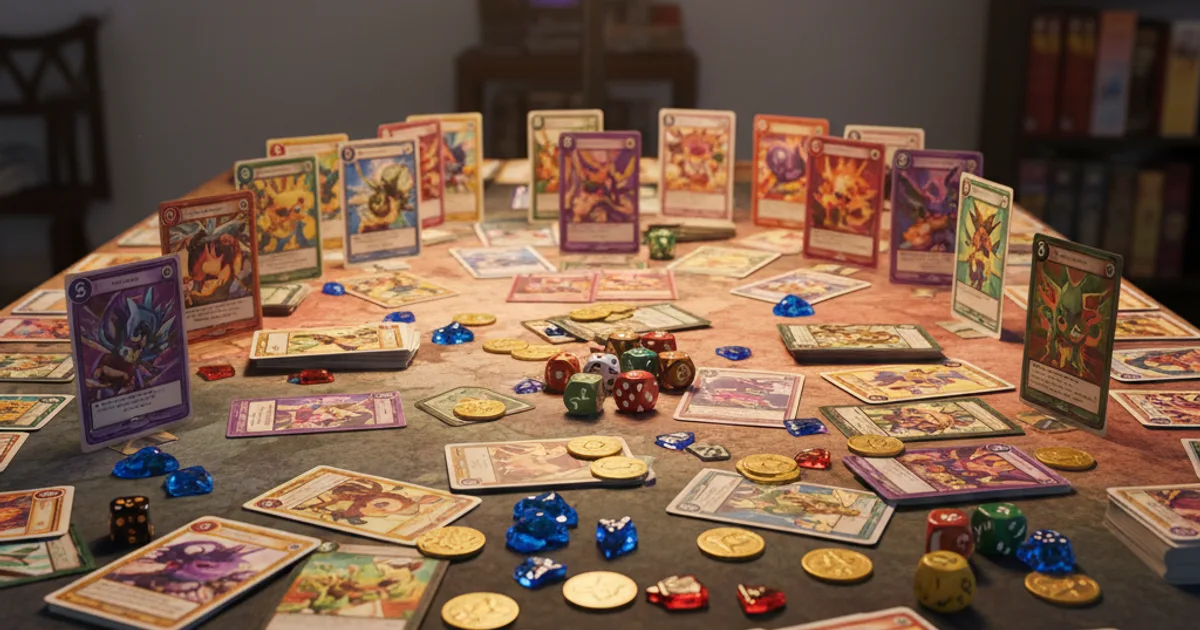
For the last two boards, one card has been the odd one out. The winners at the Masters League play Relaxaurus – Hungry Gunner in almost every Blue list. The crowd has kept it in B, a few decks short of the line. This week the crowd has finally caught up, if only just. Relaxaurus is in A, with three decks to spare.
That is the headline, but not the busiest part of the board. Thirteen cards sit in a different band from the one we published last week. Most of that is two quiet forces. Decks keep getting edited after we count them, and the mix of colour pairs keeps shifting underneath the colours. Last week that mix explained Purple. This week it explains Red.
Two other things changed in the world. The Sleeve & Card Set Vol.1 became legal in English on Friday, so this is the first board where those five cards count. And with Legends Awaken eleven days out, the crowd has started building for it.
What's new, and what isn't
The publisher posted no new results this week. We checked the open recipe endpoint behind its Deck Recipe pages on both the English and Japanese sites. The newest Japanese record is still the last Tokyo Autumn list, and the newest English one is still the Kuala Lumpur third place. The English Deck Recipe page links the same two events as a week ago. So the check on this board is the same as last week's: 33 placing lists from Masters League Kyoto, Masters League Tokyo Autumn and the Grand Challengers Cup in Kuala Lumpur.
The publisher's card list hasn't changed either. It still has 276 rows, folding to 148 distinct main-deck cards from Dawn of Palpagos, the two trial decks and the promos, plus the five Sleeve & Card Set cards.
How we counted
The census is 690 complete public decks created between 19 September and 18 October 2026 (UTC). Complete means exactly 50 main-deck cards and 10 souls. The decks come from the palworldtcg.gg public API, which is the source of the community lists we import and serve on our own deck pages. When we measured on 19 October, that site held 3,139 public decks. 741 were created inside the window and 51 of those were unfinished. The 690 that count contain 625 different decklists.
The window is the usual one: the thirty whole days ending the day before the period opens. It shares 23 days with last week's, so a quiet board is the default expectation. Weekly volume is steady. ISO weeks 39 to 42 contributed 145, 182, 164 and 181 complete decks, and the first two days of week 38 another 18.
Colour identity comes from the cards in the deck, not the name the builder gave it. Blue is in 441 of the 690 decks (63.9%), Purple in 413 (59.9%), Red in 292 (42.3%) and Green in 207 (30.0%). The pairs run Blue/Purple 207, Blue/Red 156, Purple/Red 101, Green/Purple 95, Blue/Green 76 and Green/Red 28. The other 27 decks use a single colour.
Against last week's census, Purple is up from 56.5% and Red is down from 45.4%. Red's slide isn't new. Its share of each week's decks has fallen five weeks in a row: 45.1%, 44.8%, 44.0%, 42.7% and 39.2% across weeks 38 to 42, on 144 to 182 decks a week. We don't know why, and the results don't explain it. Red is in 12 of the 33 Masters League and Kuala Lumpur lists, 36%, a little under its share of the crowd.
The measure, and the pool
The measure is the same one we have used for eight boards. For each card we take its in-colour inclusion rate: of the decks that could legally play it, the share that did. Colourless cards count as eligible in every deck. The band lines are plain fractions. S is two decks in three, A is one in two, B is two in five and C is one in three. Inside a band, cards go in order of share, and ties go by card number.
This ranks what people build, not what wins. There are no event results with field data behind them, only the top of each bracket. Those lists can show where the crowd and the winners disagree, but not how often a card converts. So they are the check, and the census is the ranking.
The ranked pool is Dawn of Palpagos, the two trial decks and the promos. The Sleeve & Card Set has been legal since 16 October, so we ran the board with its five cards included as well. Nothing changes. The best of them is Chillet – Final Frostneedle (ESS01-002), in 90 of 441 Blue decks (20.4%), well under the C line. More on that below.
Before trusting this week's numbers we recounted last week's window on today's corpus. It now holds 685 complete decks, against the 669 we published, and 30 of last week's 36 rows land in the same band. In that recount, all six that don't sit within two decks of a line.

Tier list
S
Format-defining9
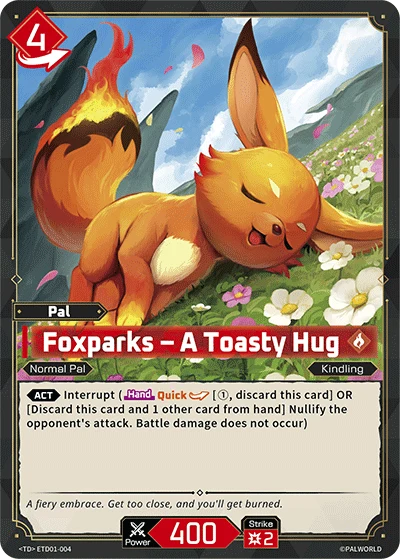 Red4Foxparks – A Toasty HugETD01-004
 Red7Pump-Action ShotgunEBP01-020
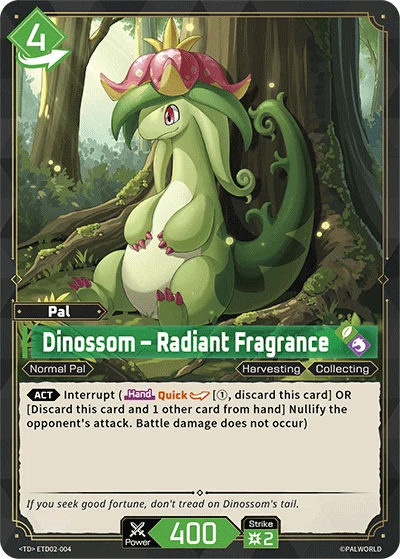 Green4Dinossom – Radiant FragranceETD02-004
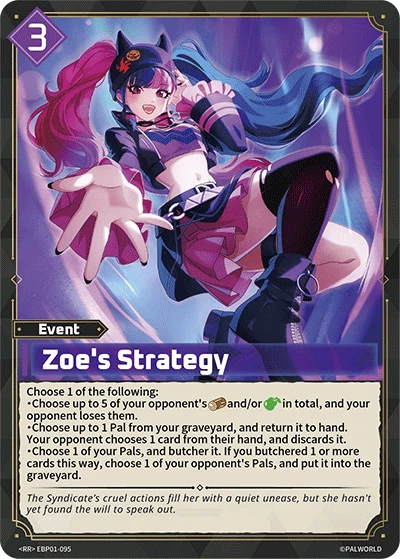 Purple3Zoe's StrategyEBP01-095
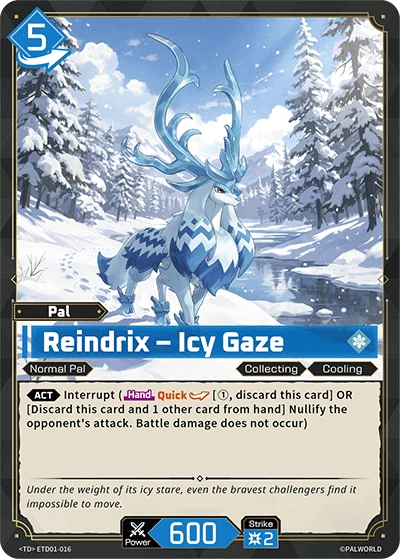 Blue5Reindrix – Icy GazeETD01-016
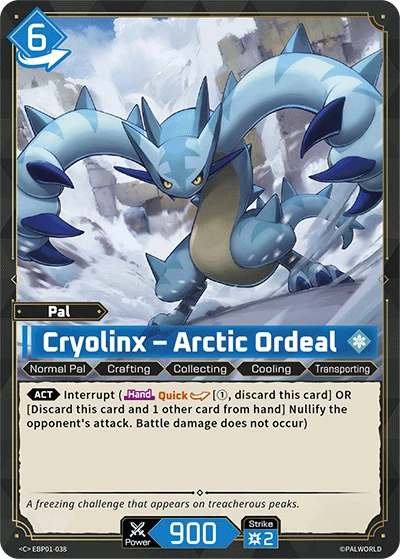 Blue6Cryolinx – Arctic OrdealEBP01-038
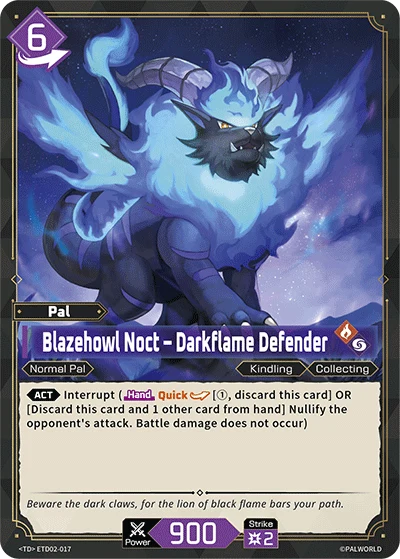 Purple6Blazehowl Noct – Darkflame DefenderETD02-017
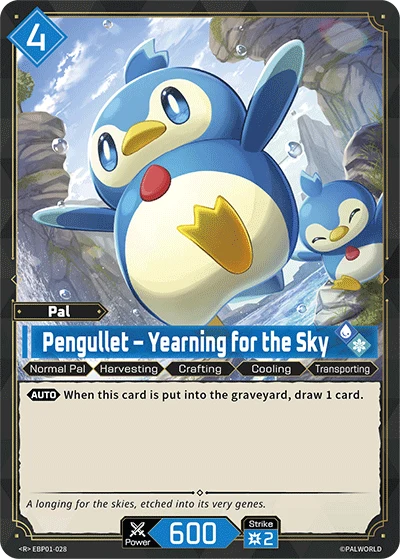 Blue4Pengullet – Yearning for the SkyEBP01-028
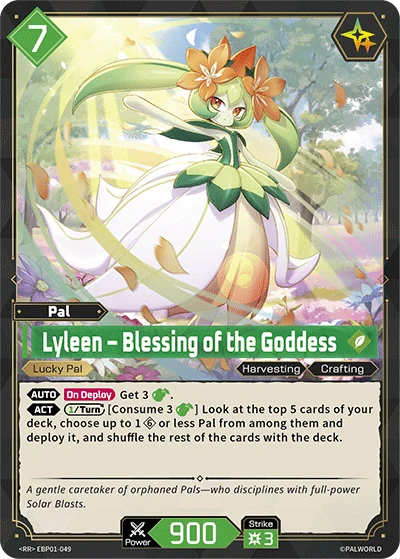 Green7LuckyLyleen – Blessing of the GoddessEBP01-049
A
Strong8
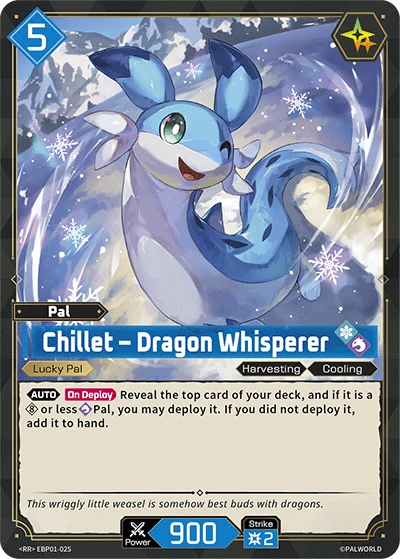 Blue5LuckyChillet – Dragon WhispererEBP01-025
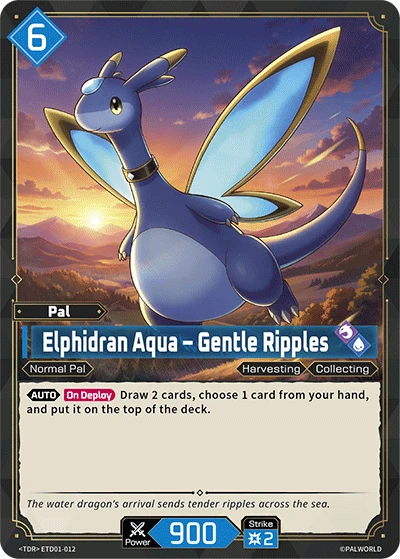 Blue6Elphidran Aqua – Gentle RipplesETD01-012
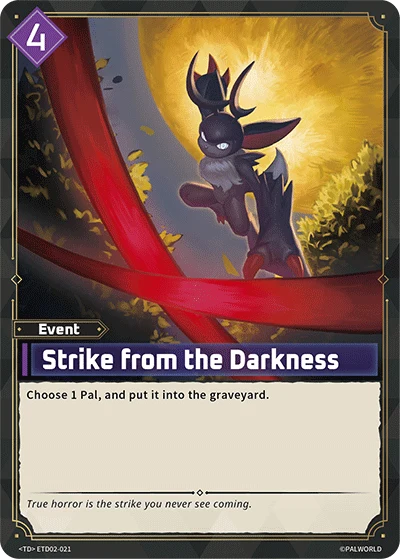 Purple4Strike from the DarknessETD02-021
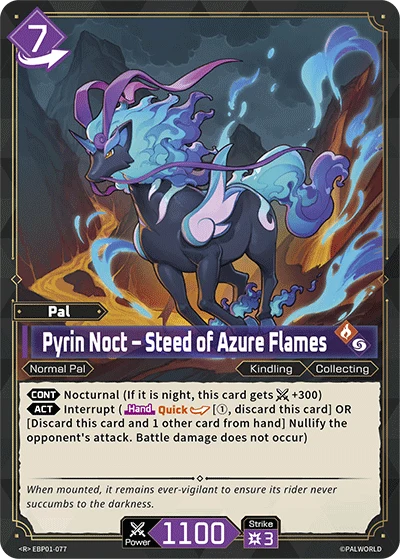 Purple7Pyrin Noct – Steed of Azure FlamesEBP01-077
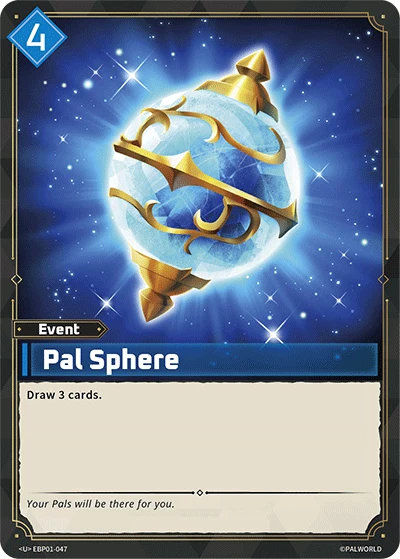 Blue4Pal SphereEBP01-047
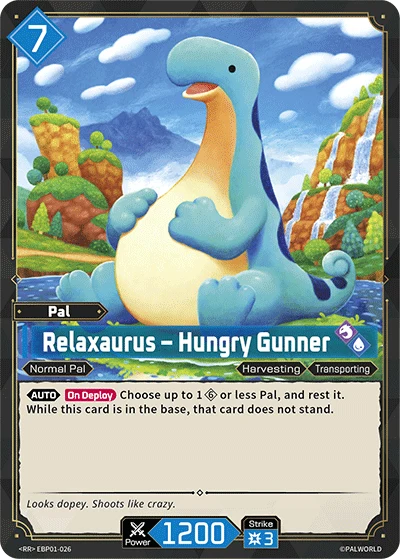 Blue7Relaxaurus – Hungry GunnerEBP01-026
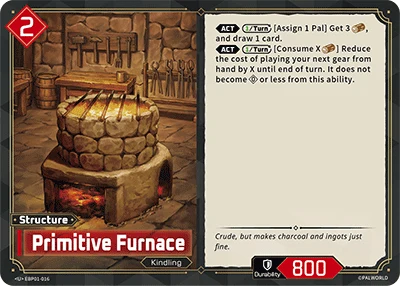 Red2Primitive FurnaceEBP01-016
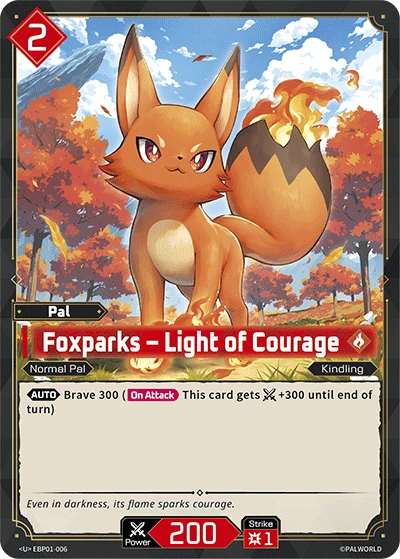 Red2Foxparks – Light of CourageEBP01-006
B
Playable8
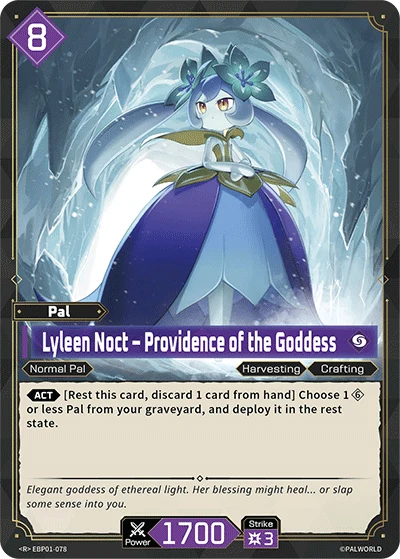 Purple8Lyleen Noct – Providence of the GoddessEBP01-078
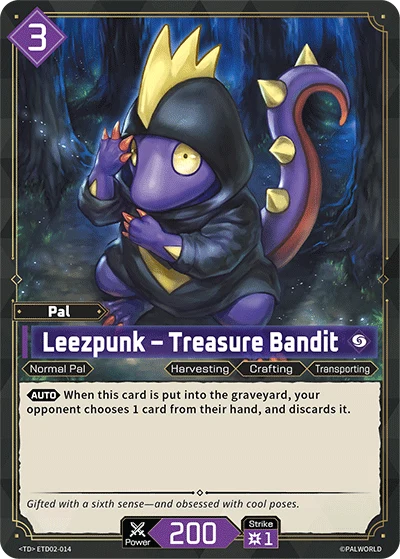 Purple3Leezpunk – Treasure BanditETD02-014
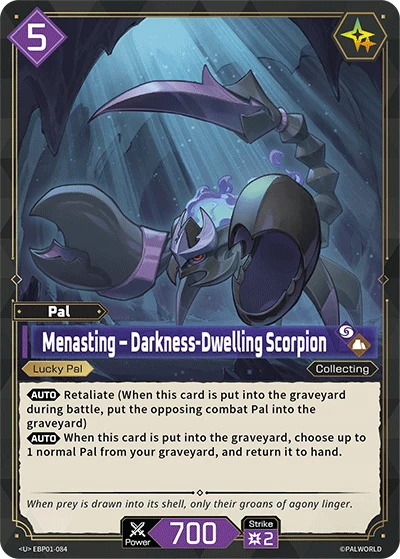 Purple5LuckyMenasting – Darkness-Dwelling ScorpionEBP01-084
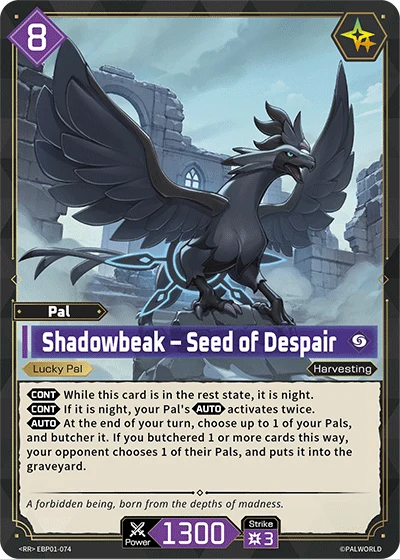 Purple8LuckyShadowbeak – Seed of DespairEBP01-074
 Blue4Pengullet Rocket LauncherEBP01-044
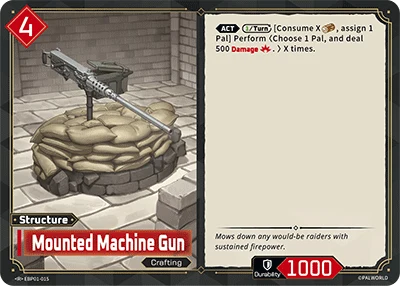 Red4Mounted Machine GunEBP01-015
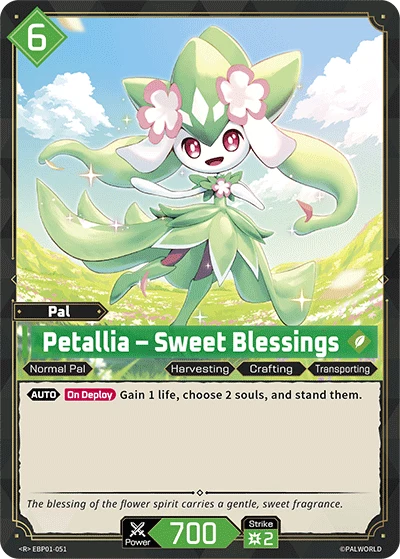 Green6Petallia – Sweet BlessingsEBP01-051
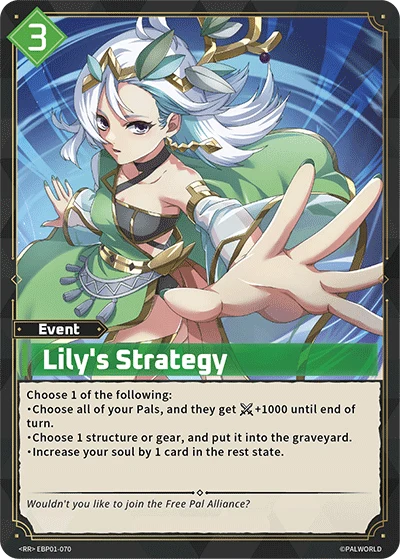 Green3Lily's StrategyEBP01-070
C
Niche / filler9
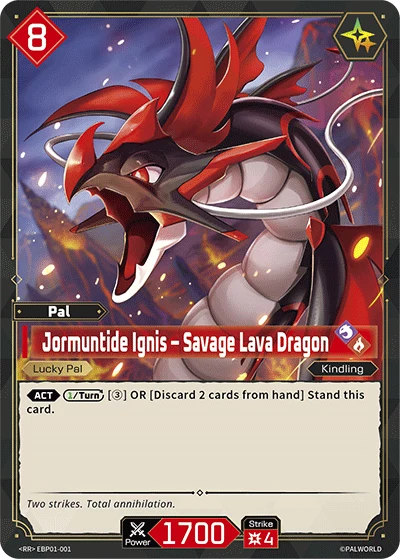 Red8LuckyJormuntide Ignis – Savage Lava DragonEBP01-001
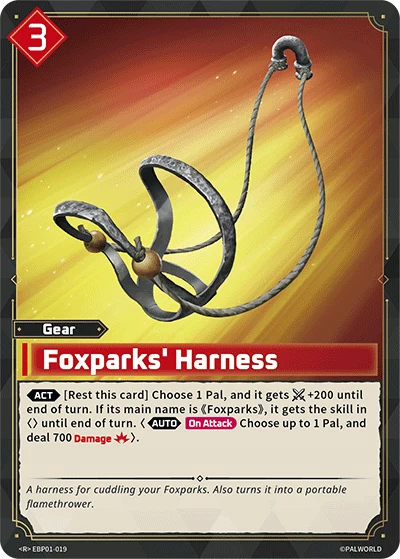 Red3Foxparks' HarnessEBP01-019
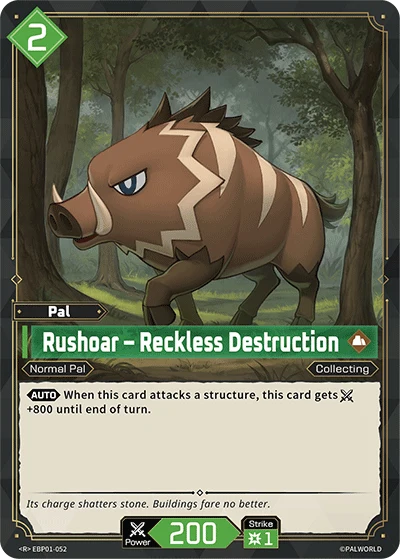 Green2Rushoar – Reckless DestructionEBP01-052
 Red4Single-Shot RifleETD01-010
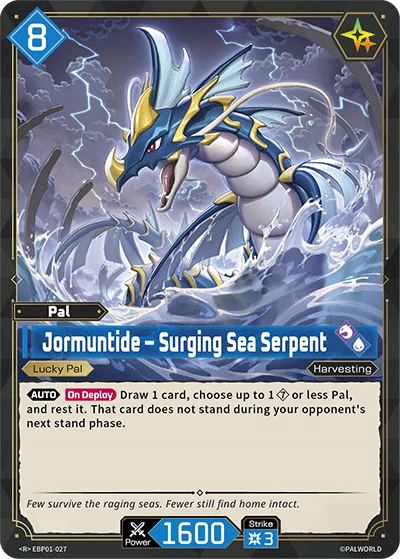 Blue8LuckyJormuntide – Surging Sea SerpentEBP01-027
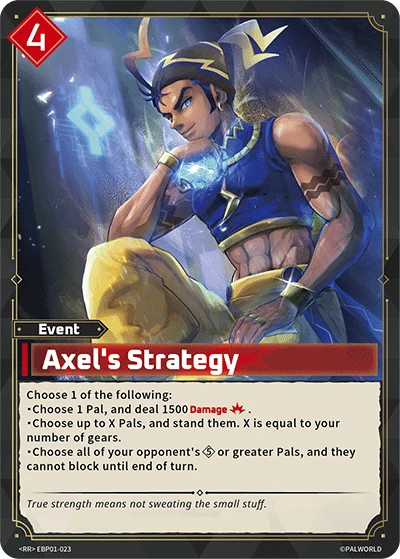 Red4Axel's StrategyEBP01-023
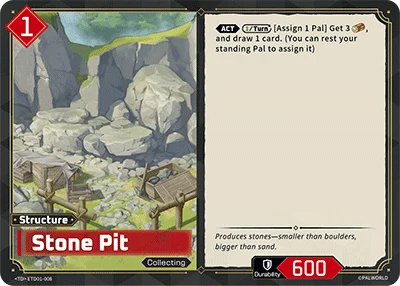 Red1Stone PitETD01-008
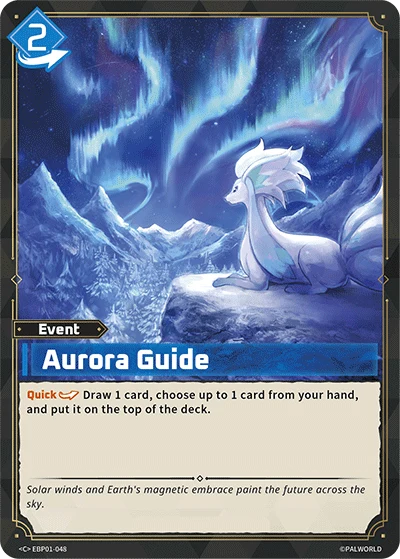 Blue2Aurora GuideEBP01-048
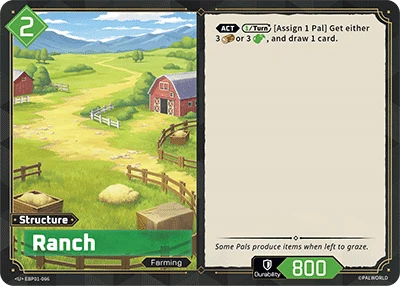 Green2RanchEBP01-066
Thirty-four cards: nine in S, eight in A, eight in B and nine in C. No band was padded and none came out empty. Foxparks – A Toasty Hug (ETD01-004) leads for another week, in 263 of 292 Red decks (90.1%). Reindrix – Icy Gaze (ETD01-016) is the most-played card in raw terms, in 349 of 441 Blue decks.
What moved, and what only looked like it
Thirteen cards changed band against last week's published board. Six of those moves were already there when we recounted last week's window on today's corpus, so they are about late edits, not about this week:
- Pengullet – Yearning for the Sky (EBP01-028) climbs from A to S. It was one deck short last week. Now it's in 305 of 441 Blue decks, eleven clear of the line.
- Relaxaurus – Hungry Gunner (EBP01-026) climbs from B to A, and gets its own section below.
- Mounted Machine Gun (EBP01-015) climbs from C to B.
- Suzaku – Hellfire Wings (EBP01-002), Digtoise – Seismic Drillback (EBP01-050) and Berry Plantation (ETD02-008) leave the board. All three were in C last week, the recount already has them just under the line, and none has come back. Berry Plantation is down to 56 of 207 Green decks (27.1%).
The other seven moves are this week's:
- Primitive Furnace (EBP01-016) and Foxparks – Light of Courage (EBP01-006) rise from B to A, with two decks and one deck to spare.
- Leezpunk – Treasure Bandit (ETD02-014) drops from A to B, at 195 of 413 Purple decks (47.2%).
- Jormuntide Ignis – Savage Lava Dragon (EBP01-001), Single-Shot Rifle (ETD01-010) and Rushoar – Reckless Destruction (EBP01-052) drop from B to C.
- Stone Pit (ETD01-008) joins the board in C, at 101 of 292 Red decks.
Five of those seven are Red cards, and that is not a coincidence.
Red's reshuffle is about pairs
Last week we found that Purple cards' bands depend heavily on how popular Purple/Red is compared with Blue/Purple. The same thing is now happening in Red, from the other direction.
Blue/Red is shrinking inside Red. Recount last week's window and it was 173 of 305 Red decks. This week it's 156 of 292. Purple/Red went the other way, from 96 to 101. That swing alone moves any card that lives in one pair and not the other.
| Card | Blue/Red: last window | Blue/Red: this window | Purple/Red: last window | Purple/Red: this window |
|---|---|---|---|---|
| Primitive Furnace | 34% (58/173) | 31% (49/156) | 78% (75/96) | 80% (81/101) |
| Stone Pit | 19% (33/173) | 19% (29/156) | 59% (57/96) | 62% (63/101) |
| Jormuntide Ignis – Savage Lava Dragon | 64% (111/173) | 60% (94/156) | 14% (13/96) | 11% (11/101) |
| Single-Shot Rifle | 49% (85/173) | 46% (71/156) | 32% (31/96) | 23% (23/101) |
| Foxparks – Light of Courage | 48% (83/173) | 58% (90/156) | 47% (45/96) | 43% (43/101) |
"Last window" is 12 September to 11 October, recounted on today's corpus.
Primitive Furnace and Stone Pit are Purple/Red cards. Inside that pair, their shares barely moved. They climbed because there's more Purple/Red. Jormuntide Ignis is a Blue/Red card, and it fell for the mirror-image reason. Single-Shot Rifle is the one that slipped inside both pairs.
Foxparks – Light of Courage is the real mover. Its share in Blue/Red jumped ten points in a week, enough to beat the shrinking pair, and the winners agree: six of the seven winning Blue/Red lists run it.
The winners' Purple/Red lists, all five of them, run Primitive Furnace, Mounted Machine Gun and Stone Pit. None of the seven winning Blue/Red lists runs any of the three. Red is really two decks that happen to share Foxparks – A Toasty Hug and Pump-Action Shotgun (EBP01-020), and a single Red band will keep lurching whenever the balance between them moves.
Leezpunk's fall is the same story in Purple. In Purple/Red it's in 86 of 101 decks (85%), the same as last week. In Blue/Purple, which grew from 193 to 207 decks on the recount, it's down from 25% to 21%. The card's band dropped because more Purple players are in the pair that doesn't want it.
Relaxaurus is in A
Relaxaurus – Hungry Gunner is in 224 of 441 Blue decks, 50.8%. A needs 221. The band line is still the least interesting thing about it.
The winners run Relaxaurus in 25 of their 28 Blue lists across Kyoto, Tokyo Autumn and Kuala Lumpur. That 89% against the crowd's 51% is the biggest gap in the winners' favour of any card on the board. In Blue/Purple the census plays it in 132 of 207 decks (64%), while all nineteen winning Blue/Purple lists have it. In Blue/Red it's 55 of 156 (35%) against four of the seven winning lists.
Its weekly line across weeks 39 to 42 reads 55.4%, 49.6%, 45.6% and 54.6%, on Blue samples of 92 to 125 decks. That's noise around the line, not a trend. Relaxaurus is in A this week because of how the window fell, and it could be back in B next week for the same reason. What hasn't changed is that the players finishing at the top of brackets rate it more highly than anyone else does.
Two more cards have the same kind of gap, on a smaller scale:
- Lyleen Noct – Providence of the Goddess (EBP01-078) is two decks short of A, at 205 of 413 Purple decks, and in 15 of the 24 winning Purple lists.
- Elphidran – Gentle Radiance (EBP01-098) is off the board at 32.3% of all decks, but it's in 22 of the 33 winning lists. It's a colourless card that Blue decks play and hardly anyone else does: 55% of Blue/Purple decks, 3 of 95 Green/Purple decks and none of the Purple/Red ones.
Week one of the Sleeve & Card Set
The English Sleeve & Card Set Vol.1 went on sale on 16 October, and people had been building with it well before then. 152 decks in the window (22.0%) carry at least one of its five cards, and most of them were built before Friday.
- Chillet – Final Frostneedle (ESS01-002) is in 90 of 441 Blue decks (20.4%).
- Quivern – Breath of the Wyvern (ESS01-005) is in 92 of all 690 (13.3%).
- Grizzbolt – Cascading Voltage (ESS01-001) is in 19 of 292 Red decks (6.5%).
- Cattiva – Brimming Bravado (ESS01-004) and Depresso – Midnight Overdrive (ESS01-003) are in eight and four decks.
None of them is near the C line, which isn't surprising for cards that have existed in English for three days. Chillet – Final Frostneedle is the one to watch. It's in 15 of the 46 Blue decks created from 16 to 18 October, about one in three, against 41 of 230 (17.8%) in Blue decks created from 19 September to 4 October. Three days is a tiny sample. But Tokyo Autumn, where the Japanese version was already legal, had it in 8 of 16 Blue placing lists, so the direction isn't a mystery.
Legends Awaken is already in the data
Legends Awaken, the second booster, is due on 30 October, and it has arrived in the census early. 89 decks in the window (12.9%) contain at least one card from it, so they aren't legal today. The rise is recent. Fifteen of those decks were created in the first half of the window, and 74 in the second half, out of 345 decks in each half. The most common newcomer is Frostallion – Everlasting Rime, in 23 decks.
How strong any of those cards is belongs to our preview, not this board. What matters here is what they do to the count. Take the 89 decks out and ten rows move. Chillet – Dragon Whisperer (EBP01-025) and Elphidran Aqua – Gentle Ripples (ETD01-012) rise to S, and Lyleen Noct reaches A. Jormuntide Ignis, Rushoar and Single-Shot Rifle rise to B. Ranch leaves the board, while Digtoise – Seismic Drillback, Elphidran – Gentle Radiance and Astegon – Aegis Wyvern of Death (ETD02-012) join it in C.
We left them in, as we have since the first of these decks appeared. Someone building with next month's cards is still telling us which of today's cards they keep. But the effect is growing fast, and next week's window will have even more of them in it.
The stock lists keep spreading
Forty-eight decks in the census match one of the 48 official placing lists card for card, up from 39 last week. Most are copies of three lists: Toruen's (とぅるえん) Kyoto Block B winner (13), Mimizuku's (みみずく) Tokyo Autumn Block A winner (10), which we hold as Purple/Red deck (Oct 3), and Hayato's (隼人) Kyoto Block A winner (5). Loosen the test to 45 of 50 cards and it's 122 decks, 17.7% of the census. Taking those out moves eleven rows, against twelve last week. We kept them in, for the usual reason: removing a group after the fact turns a count into an opinion.
Last week we couldn't link either of Tokyo's two Blue/Green lists. One of those gaps has closed:
- Zuu's (ずぅ) Blue/Green list, third in Tokyo Autumn Block A, now has an exact copy that we hold as dragoon. It was created on 13 October, the day after our last count.
- Hashiba Hideyoshi's (羽柴秀吉) Blue/Green Block B winner has three exact copies in the census. The first was saved on 4 October under a Japanese name that translates as "Blue/Green deck (4 Oct), Tokyo B winner". That's the day after the event and a day before the publisher's recipe page carried it. We still don't hold this list on our site, so it's named here without a link.
One copy runs the other way. Hire's (ひれ) Block F–winning Blue/Red list, which we hold as RB | Axel's Strat, has an exact twin that was created on 29 September and last saved on 1 October, two days before Tokyo Autumn. We hold that one too, as Red/Blue deck (Sep 28). We can't tell who built it first. As with Heng's Kuala Lumpur list last week, the winning Blue lists are converging on shapes the crowd already knows.
What to watch in week 44
Start with Legends Awaken. It releases on 30 October, so week 44's window will be the last one counted entirely before it's legal, and it will have more of its cards in it than this one does. The not-yet-legal share went from 15 decks to 74 between the two halves of this window. If that keeps climbing, the question of whether to keep those decks in the count stops being a footnote.
Then the lines. Relaxaurus holds A by three decks and Foxparks – Light of Courage by one. Lyleen Noct is two short of A. Ranch sits exactly on the C line with nothing to spare, and Astegon is three short of it. Strike from the Darkness, two decks short of S last week, is 21 short now, at 255 of 413.
Then Red. If Blue/Red keeps shrinking inside Red, Primitive Furnace and Stone Pit will keep climbing without anyone changing their mind about them, and Jormuntide Ignis will keep falling. The board can't separate those two stories, but a count by colour pair can.